LAST CHANCE SALE: Up to 40% Off Select Items. Shop Now >

Backyard season has a certain pull. Longer days. Warm evenings. More reasons to gather, unplug, and unwind outside.
But the best outdoor spaces don’t just look good. They protect. They’re designed around how people actually move, relax, and spend time outdoors. And as May reminds us through Skin Cancer Awareness Month, smart backyard design also plays a role in something bigger: how we protect ourselves while enjoying that time outside.
Skin cancer is the most common cancer in the U.S.2, and research consistently shows that prolonged UV exposure is the primary cause, even during everyday activities like gardening, playing with kids, or hosting friends. That’s why one of the most powerful design choices you can make isn’t decorative at all.
It’s shade.
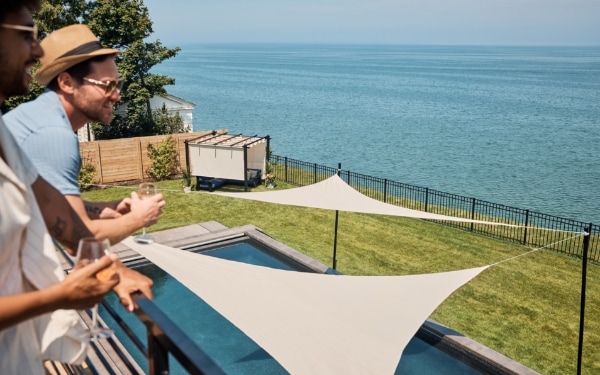
When every outdoor area has a job, the whole space feels intentional.
Sun‑filled zones bring energy, perfect for play, movement, and gardens that need direct light. Shaded areas invite you to linger, unwind, and recharge, while cooler corners become natural resting spots for pets who instinctively seek relief from heat and the sun.
This kind of zoning isn’t just about aesthetics. Studies show that people spend significantly more time outdoors when comfortable spaces, especially shaded ones, are available. In other words, thoughtful layout doesn’t limit outdoor living; it expands it.
Design tip: Walk your yard at different times of day and notice where the sun hits strongest. Those high-exposure areas are often exactly where shade will matter most later. With 75 years of shade innovation, Coolaroo designs fabrics that turn those hot spots into the most comfortable part of your yard.
Thoughtful shade instantly cools a space, but its impact goes far beyond comfort. UV exposure from the sun causes about 90% of non-melanoma skin cancers³, and most of that exposure happens during everyday moments, not beach days.
Public health organizations like the CDC suggest seeking shade as one of the most effective ways to reduce UV exposure, especially during peak hours between 10 a.m. and 4 p.m.⁴
What does that look like in practice? Research shows that well-designed shade can reduce UV exposure by up to 75%⁵, while also lowering surface temperatures by as much as 20-30 degrees compared to unshaded areas. That's the difference between stepping outside briefly and staying out all afternoon.
When you design shade into a space rather than add it as an afterthought, protection becomes effortless. You don't think about it. You just feel better staying outside longer.
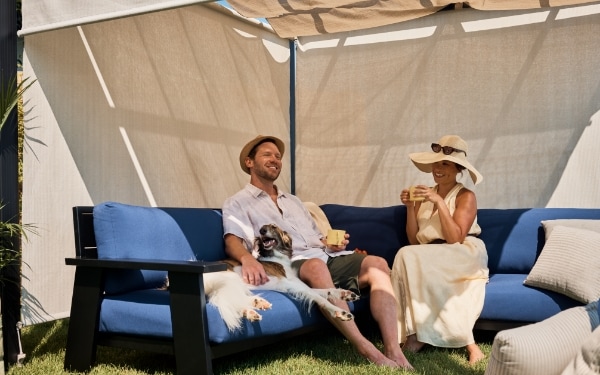
Breathable fabrics allow for airflow while blocking harmful UV rays. Cooler‑to-the-touch surfaces make seating usable all day long. Durable fabrics resist fading, mold, and weather damage, keeping their look season after season, even under constant sun exposure.
These finishing details don’t just elevate how a space looks. They support how often and how confidently you use it. Comfort removes friction. And in outdoor spaces, that friction usually comes from heat and sun.
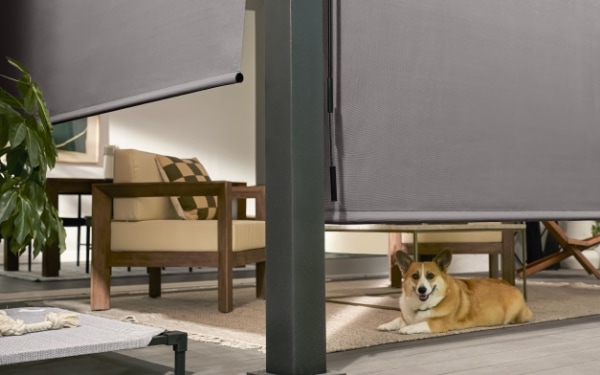
And as Skin Cancer Awareness Month reminds us, the spaces we design for comfort can also help protect the people and pets who use them most. With UV exposure responsible for the vast majority of non‑melanoma skin cancers, designing shade into your outdoor space isn’t just smart. It’s one of the simplest ways to care for everything under the sun.
Start with shade. Stay for the moments.
Resources: